You need warmth and honesty in the same room.
I’m warm and I’m direct. Non-judgmental and willing to say the hard thing. There’s usually some humor involved. These feel like they shouldn’t go together, but they do.
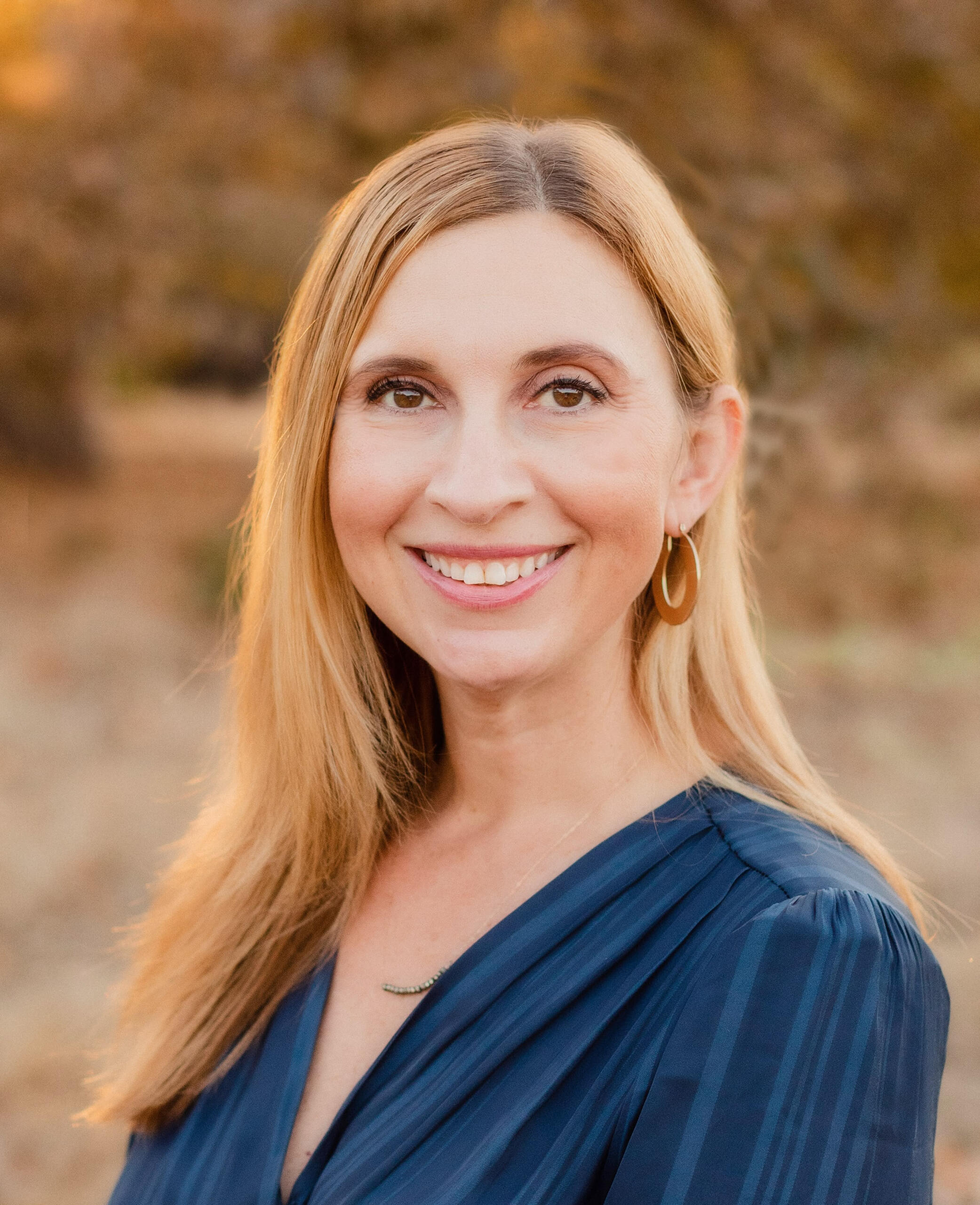
The therapist who’s also an expert
I’ve been practicing for more than 20 years. I’m a PhD psychologist. Doctoral-level training in clinical psychology, not a master’s degree.
My training is in CBT, EMDR, ACT, and ERP for OCD. These aren’t modalities I checked off a list. CBT is my foundation. ACT is fundamental to how I sit with clients. EMDR is an active part of my practice. And ERP: I work with contamination OCD, harm OCD, scrupulosity, relationship OCD, and others. Building exposure hierarchies collaboratively, at a pace that’s challenging but always manageable.
The right training matters, especially when a presenting issue calls for specific evidence-based interventions. OCD therapy without ERP training is the wrong treatment for the right problem.
The expert who’s also a person
I’m relatable. I’m also an expert who offers direct guidance. These aren’t contradictions.
I balance compassion and warmth with direct and challenging. They go together. I won’t let therapy go on indefinitely without goals. I won’t avoid hard conversations. I won’t treat every issue the same way.
My clients tend to be motivated adults, men and women at every life stage, who are willing to do the work. If you’re ready to do something about what’s bringing you in, we’re likely a good fit.
Four things that shape how I work.
Insight isn’t enough.
You can think your way to understanding. You can’t think your way to change. The emotional healing, the behavioral shifts, the different way of being in the world: these come from structured work, not from knowing why.
Therapy without goals isn’t doing its job.
A compassionate, non-judgmental ear is valuable. But clients should feel the changes they’re looking for in their lives outside the therapy hour. If that’s not happening, something is wrong.
Homework works.
More than half my clients get between-session work: either specific assignments or general goals. Not because it’s required, but because real change happens in your actual life, not just in our 50 minutes together. It’s always mutually agreed. Never required.
Ending therapy doesn’t have to be forever.
When you’ve reached your goals or you’re making strong progress, we talk about reducing frequency or wrapping up. But you can always come back for a tune-up session when life shifts. I keep my schedule flexible for that.

Who I work with
Motivated adults, 16 and older. Men and women at any life stage who come in ready to do something about what’s bringing them in.
Most commonly: anxiety disorders (including OCD, panic, social anxiety, health anxiety), trauma and PTSD, depression, life transitions, grief, perfectionism, people-pleasing, burnout, self-esteem, and relationship issues from an individual perspective.
I see clients in person at my Mission Valley office and via telehealth.
Who I refer out
I work with individuals only, adults 16 and up. Clients with active substance use, severe eating disorders, or psychosis need a different specialist, and I’ll say so directly.
I’m private pay and out-of-network only. If you’d like a superbill for reimbursement, I can provide one.
This directness is meant to help you know quickly whether I’m the right fit.
See if we’re a good fit
The first session is intake. You’re interviewing me as much as I’m learning about you.
Request a consultation